Types of Portable Toilets on Sale
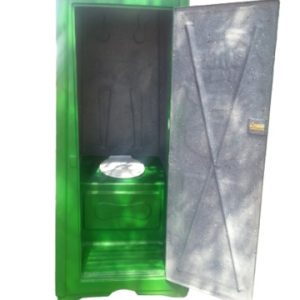
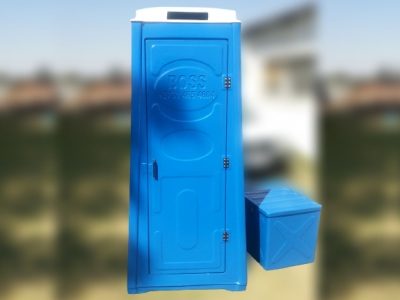
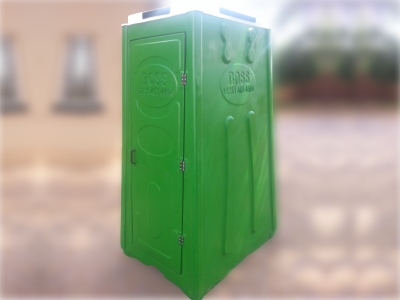
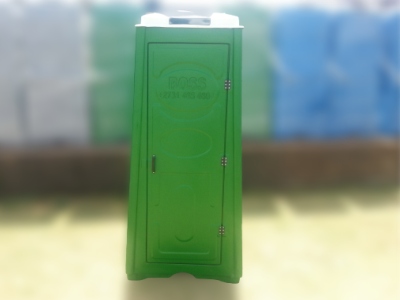
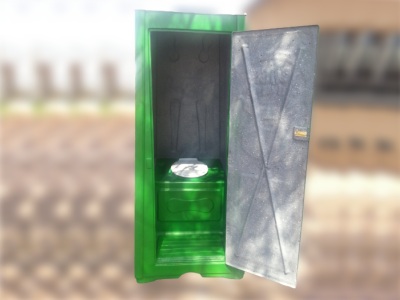
When exploring portable toilets on sale, you’ll find several types designed to suit various environments and user needs. The most common option is the standard portable toilet, often seen at construction sites and outdoor events. These basic units come equipped with a toilet seat, urinal, and either a hand sanitizer dispenser or a built-in handwashing station. They are known for their durability and low maintenance, making them ideal for high-traffic use.
Next are the flushable portable toilets, which offer a more sanitary and user-friendly experience. These models include a foot-pump or hand-pump flushing mechanism and a sealed waste tank, helping control odors and improve hygiene. Flushable units are often chosen for VIP areas, weddings, or events where comfort is a priority.
For inclusivity and compliance with regulations, wheelchair-accessible portable toilets are a must. These ADA-compliant units are larger than standard models, with wide doors, handrails, and a ramp for easy access. Their spacious design ensures safe and comfortable use for individuals with mobility challenges.
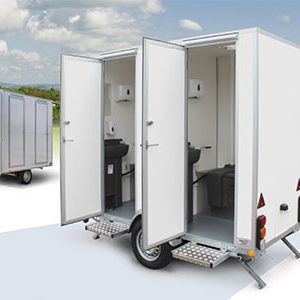
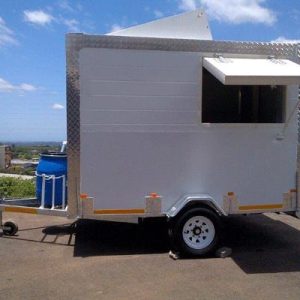
For upscale events or corporate functions, luxury restroom trailers are an excellent option. These mobile facilities resemble traditional indoor restrooms and feature flushing toilets, running water, lighting, mirrors, climate control, and even music in some cases. While more expensive, they deliver a premium restroom experience that impresses guests.
Lastly, for those who prioritize sustainability or work in off-grid locations, eco-friendly composting toilets are an innovative solution. These units don’t require water or plumbing and use natural decomposition to turn waste into compost. Ideal for campsites, remote eco-resorts, and green festivals, composting toilets help reduce environmental impact while still providing reliable sanitation.
Each of these portable toilet types serves a unique purpose, so choosing the right one depends on your budget, setting, and user expectations.
Key Features to Look for When Buying
Before purchasing, it’s essential to consider several important features based on where and how you plan to use your portable toilets:
- Material Durability – Look for units made from high-density polyethylene or other weather-resistant materials.
- Tank Capacity – Choose the right waste and freshwater tank sizes based on expected usage.
- Ease of Cleaning – Removable tanks and smooth interior surfaces simplify maintenance.
- Ventilation – Built-in vents help eliminate odors and keep interiors fresh.
- Handwashing Stations – Many models include internal or external sinks for added hygiene.
- Privacy and Security – Strong door locks and opaque walls are essential for user comfort.
- Transportability – Lightweight units with lifting hooks or forklift skids make transport easier.
Industries That Benefit from Portable Toilets
Portable toilets are versatile and serve many sectors beyond event planning:
- Construction – Sites without plumbing need reliable sanitation for workers.
- Farming & Agriculture – Remote farms often lack indoor plumbing for seasonal laborers.
- Recreational Parks & Campgrounds – Parks need eco-friendly restrooms that blend with nature.
- Disaster Relief – In emergencies or refugee camps, quick deployment of sanitation facilities is critical.
- Schools & Institutions – Temporary restrooms are essential during renovations or events.
- Outdoor Events & Festivals – From music festivals to marathons, portable toilets are a necessity.
Frequently Asked Questions (FAQs)
1. How often should portable toilets be cleaned and serviced?
Portable toilets should typically be cleaned and serviced at least once a week, depending on usage volume. High-traffic locations such as construction sites or large events may require more frequent servicing—sometimes daily. Regular maintenance includes waste removal, tank refilling (for flushable units), thorough interior cleaning, and restocking supplies like toilet paper and hand sanitizer. Keeping a consistent service schedule helps maintain hygiene, user satisfaction, and compliance with local health regulations.
2. How long do portable toilets last?
With regular maintenance, a well-built portable toilet can last 10 years or more. Usage frequency and climate conditions may affect longevity.
3. Are there portable toilets for home use?
Yes, compact and eco-friendly models like composting toilets are suitable for cabins, off-grid homes, or emergencies where plumbing is unavailable.
4. Do I need a permit to use portable toilets?
It depends on local regulations. For commercial or public event use, some municipalities require sanitation permits or compliance with health codes.
5. Can I rent out my portable toilets to others?
Absolutely. Many business owners purchase units and generate income by renting them to construction sites, weddings, and events. Just ensure you provide regular cleaning and servicing.