What Is a Mobile Chiller?
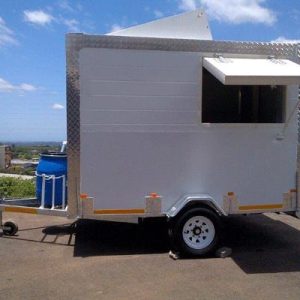
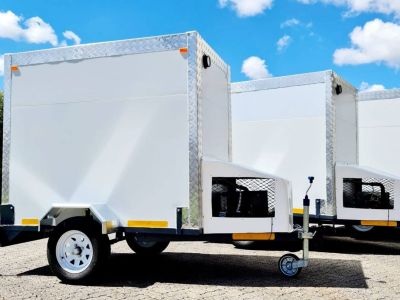
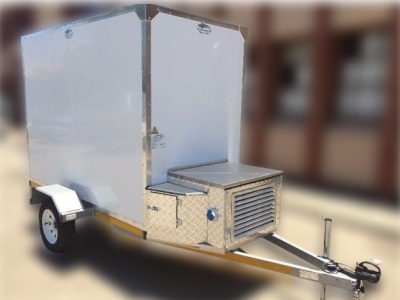
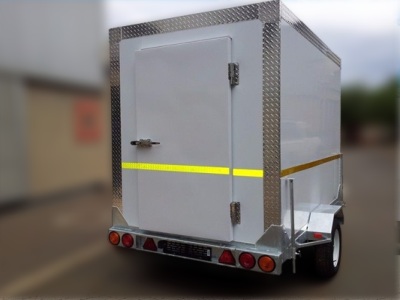
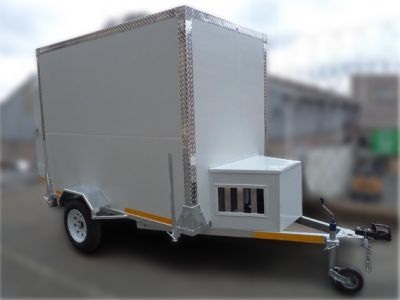
A mobile chiller is a transportable refrigeration unit specifically designed to keep products at safe temperatures while on the move or in temporary setups. These units come in various sizes and formats, from trailer-mounted chillers to compact plug-in systems that can be moved easily from one location to another.
Unlike traditional fixed refrigeration systems, mobile chillers offer mobility, flexibility, and convenience, making them ideal for dynamic business operations and events. They are widely used in industries like food and beverage, pharmaceuticals, agriculture, and logistics.
Why Mobile Chillers Are in High Demand
With the rise of outdoor catering, mobile food businesses, and temporary storage needs, the demand for mobile chillers for sale has surged. These versatile units provide an efficient way to keep products cool even in remote or outdoor locations. Many businesses use them as backup cold storage during equipment failure or for expanding their storage capacity during peak seasons.
Here are some key reasons why mobile chillers are popular:
- Portability: Easily towed or moved to different locations.
- Temperature Control: Maintains consistent cooling to ensure food safety and product freshness.
- Quick Setup: No complex installation required – plug in and use.
- Versatility: Suitable for a wide range of industries and uses.
- Cost-Effective: Offers short-term or seasonal solutions without the need for permanent refrigeration infrastructure.
Top Features to Look for in a Mobile Chiller
Before you purchase a mobile chiller unit, consider the following features to ensure you get the best value for your investment:
- Size and Capacity: Mobile chillers come in a variety of capacities, ranging from small units ideal for limited use to large refrigerated trailers suitable for bulk storage. Choose based on your daily storage requirements.
- Cooling Performance: Look for units that provide quick and stable cooling, with temperature settings ranging between 0°C and 10°C (or lower for freezer models). Advanced units may offer digital thermostats and temperature logging features.
- Power Source Compatibility: Ensure the chiller can operate on standard electric power (e.g., 220V) and consider whether backup power options (like generators or solar panels) are available for off-grid usage.
- Mobility and Ease of Transport: Check if the unit is mounted on wheels or comes with towing attachments. Mobility is crucial for events or businesses that frequently relocate.
- Durability and Build Quality: Invest in units with robust exteriors (such as stainless steel or weather-resistant materials) that can handle tough conditions without compromising performance.
- Energy Efficiency: Energy-efficient models reduce operating costs and have a smaller environmental footprint.
FAQs About Mobile Chillers
1. What is the ideal temperature range for a mobile chiller?
Most mobile chillers are designed to maintain temperatures between 0°C and 10°C. Some units can function as freezers, reaching as low as -20°C depending on the model and compressor.
2. How do I power a mobile chiller in remote locations without electricity?
Mobile chillers can be powered using portable generators, battery packs, or even solar power systems, depending on the model. For off-grid use, it’s recommended to choose a unit that is compatible with generator inputs or comes with built-in inverter technology. Some advanced chillers are designed specifically for mobile environments and include backup power features for uninterrupted operation.
3. How much does a mobile chiller cost?
The price varies based on size, cooling capacity, and brand. Smaller units can start from ₹80,000 to ₹1,50,000, while large trailer-mounted chillers may go up to ₹5–10 lakhs or more.
4. Is it better to buy or rent a mobile chiller?
If you need the chiller for long-term use, buying is more cost-effective. For short-term or one-off events, renting could be a better option. Some companies also offer rent-to-own plans.
5. Can mobile chillers be customized for specific industries?
Absolutely. Many manufacturers offer customization options such as multi-compartment storage, solar-powered systems, dual temperature zones, and reinforced interiors for pharmaceutical use.