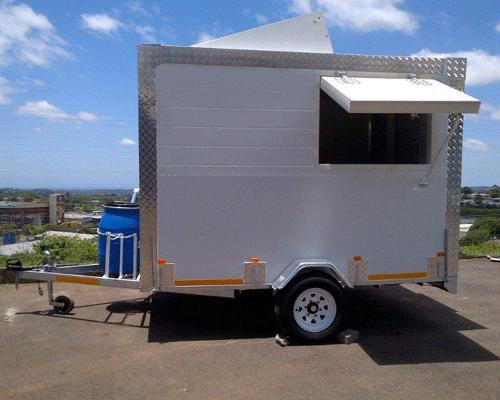
What Is a Mobile Kitchen Trailer?
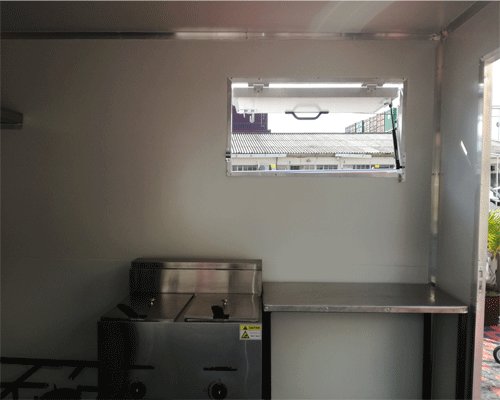
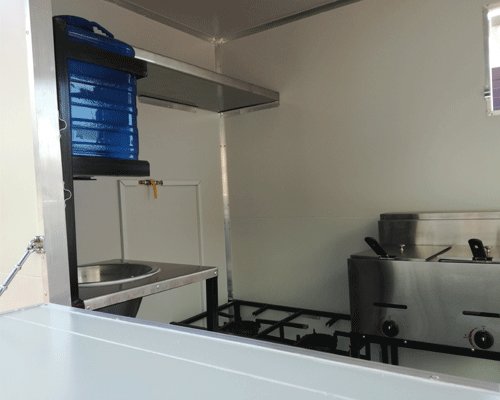
A mobile kitchen trailer is a fully functional, transportable cooking unit designed for preparing and serving food in various locations. Unlike a traditional food truck that operates as a self-contained vehicle, a mobile kitchen trailer is towed by another vehicle, offering greater flexibility in design and space. These trailers are typically outfitted with essential commercial-grade kitchen equipment such as griddles, stovetops, refrigerators, freezers, sinks, ventilation hoods, and fire suppression systems.
They are widely used by food vendors, caterers, restaurants expanding into mobile service, and even by disaster relief agencies for on-site food preparation. Mobile kitchen trailers provide an efficient, cost-effective solution for operating a professional kitchen outside the confines of a permanent building, allowing food businesses to serve customers at festivals, construction sites, private events, and remote areas.
Key Features to Look for in a Mobile Kitchen Trailer
When browsing mobile kitchen trailers on sale, focus on functionality and compliance. Here’s a checklist of must-have features:
- Size and Layout: Choose a trailer size that suits your team and menu needs. Common sizes range from 12ft to 28ft. A well-organized layout enhances workflow and safety.
- Local Health and Safety Compliance: Make sure the trailer complies with health department regulations and includes essentials like triple-compartment sinks, grey water tanks, and ventilation systems.
- Electrical and Plumbing Systems: Look for models with installed wiring, breaker panels, and water pumps. Make sure they’re rated for your required voltage and water capacity.
- High-Quality Equipment: Evaluate the brand and condition of onboard kitchen equipment. Stainless steel appliances offer durability and easy cleaning.
- Insulation and Climate Control: Insulated walls and an AC unit can help maintain safe cooking conditions during hot summers or cold winters.
Benefits of Owning a Mobile Kitchen Trailer
Mobile kitchen trailers aren’t just practical—they can transform how you operate and grow your food business.
- Mobility and Versatility: You can take your food service to high-traffic events, private parties, street corners, and even disaster zones. This mobility creates more income streams and brand visibility.
- Low Overhead Costs: Compared to opening a restaurant, a trailer drastically reduces fixed expenses like rent, utilities, and staffing.
- Adaptability to Market Trends: Whether you’re pivoting from dine-in to mobile service or experimenting with a ghost kitchen model, mobile trailers give you the freedom to adapt fast.
- Brand Expansion: Already have a brick-and-mortar restaurant? A trailer can function as your outreach arm—perfect for marketing, sampling, or launching a new food concept.
Frequently Asked Questions (FAQs)
1. Can I customize a mobile kitchen trailer after purchase?
Yes, many trailers—especially new or basic models—can be customized with additional appliances, storage, branding, or layout changes. Just ensure that upgrades comply with local health and safety codes.
2. Do I need a license to operate a mobile kitchen trailer?
Yes, you’ll typically need a food service license, health inspection approval, fire permit, and sometimes a mobile vendor license. Requirements vary by location, so always check with your local municipal or health authorities.
3. Is financing available for buying a trailer on sale?
Many dealers and equipment financing companies offer payment plans for new and used mobile kitchen trailers. Some also work with startups, depending on credit history and business plans.
4. What’s the difference between a food truck and a mobile kitchen trailer?
A food truck is a self-driving vehicle with a kitchen built in, while a mobile kitchen trailer is towed by a separate vehicle. Trailers generally offer more space and flexibility, but require a towing vehicle and setup time.
5. How long does it take to set up and start operating a mobile kitchen trailer?
The setup time for a mobile kitchen trailer depends on its configuration and your level of preparedness. If the trailer is fully equipped and already meets health and safety regulations, you can begin operating within a few days to a few weeks—just enough time to complete inspections, secure licenses, and stock your supplies. However, if the trailer requires customization or upgrades, the timeline could extend to several weeks or even a couple of months. Planning ahead and working with experienced builders or consultants can help speed up the process.