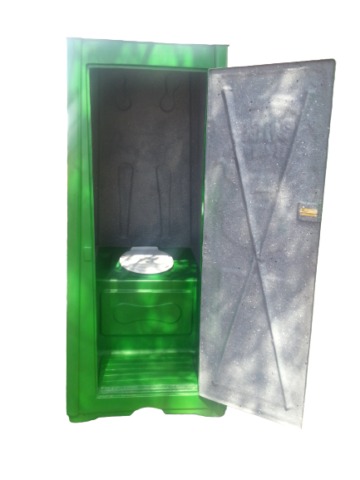
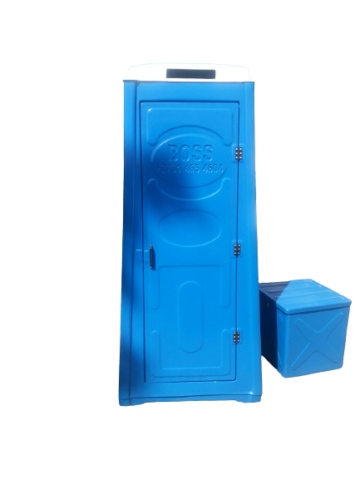
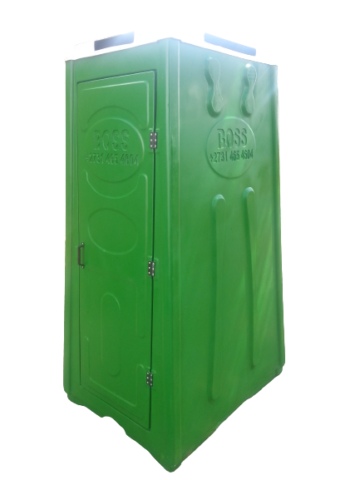
What Are Portable Toilets?
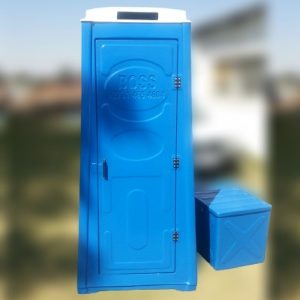
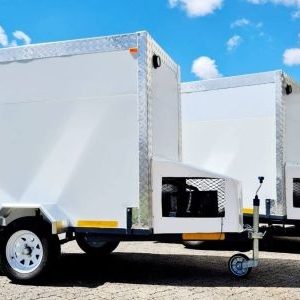
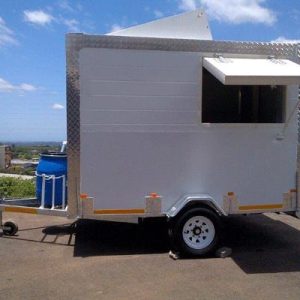
Portable toilets are self-contained sanitation units designed for temporary or remote use. Unlike traditional restrooms, they don’t require plumbing or permanent fixtures. These units are widely used at festivals, events, campsites, construction zones, agricultural areas, and even in disaster relief operations.
There are two primary types: flush and non-flush portable toilets.
Flush Portable Toilets – Comfort With Hygiene
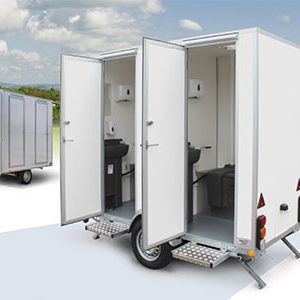
Flush portable toilets closely resemble the comfort and hygiene of a home bathroom. They come equipped with a flushing mechanism, water tank, and sometimes even a built-in sink. The flushing system uses a foot pedal or hand pump to rinse the bowl after use.
Advantages of Flush Portable Toilets:
- Improved Hygiene: Reduces odors and promotes cleanliness.
- User-Friendly: Feels more like a traditional toilet, ideal for guests or public events.
- Aesthetic Appeal: Clean, modern design makes it suitable for weddings and upscale venues.
Ideal Use Cases:
Flush portable toilets are best suited for:
- Outdoor weddings and private parties
- Film production sets
- VIP sections at concerts or festivals
- Mobile homes or trailers
Though slightly more expensive than non-flush options, the added comfort makes them a worthy investment—especially when they’re available on sale.
Non-Flush Portable Toilets – Simple & Reliable
Non-flush portable toilets are the more traditional option. These units don’t include a flushing system and rely on chemicals in the holding tank to control odor and break down waste.
Benefits of Non-Flush Portable Toilets:
- Cost-Effective: Generally cheaper than flush models.
- Low Maintenance: Fewer parts mean reduced chances of mechanical failure.
- Quick Setup: Lightweight and easy to install at any location.
Ideal Use Cases:
Non-flush models are widely used for:
- Construction sites
- Camping and hiking spots
- Agricultural fields
- Public parks and temporary events
If your goal is functional sanitation on a budget, non-flush toilets are an excellent option—especially when discounted.
Frequently Asked Questions (FAQs)
1. What is the main difference between flush and non-flush portable toilets?
Flush portable toilets use water and a flushing system to rinse the bowl, providing better hygiene. Non-flush toilets use chemicals to control waste and odor, offering a more basic but reliable option.
2. How often do portable toilets need to be cleaned?
It depends on usage. High-traffic toilets should be cleaned daily, while low-use units can be serviced every 3–5 days. Flush toilets may also need water refills more frequently.
3. Are portable toilets safe to use in hot weather?
Yes, but high temperatures can increase odors. It’s advisable to use extra deodorizer and place units in shaded areas during hot weather.
4. Can I buy portable toilets in bulk for a construction site?
Absolutely. Many suppliers offer discounted rates for bulk purchases, especially during seasonal sales. Bulk buying also helps streamline servicing and logistics.
5. Are there portable toilet models suitable for home use?
Yes. There are compact, hygienic models designed for small spaces or emergencies at home. Some flush toilets even resemble indoor toilets and come with odor-free technology.